◆ Hardware
510 Battery Voltage Settings: Which One Your Cart Actually Wants
· 7 min read
A disposable makes this decision for you. A 510 battery hands it back, and that is the whole reason to use one — but only if you actually use the dial. Left on its top setting, a variable battery is just a disposable that costs more and tastes worse.
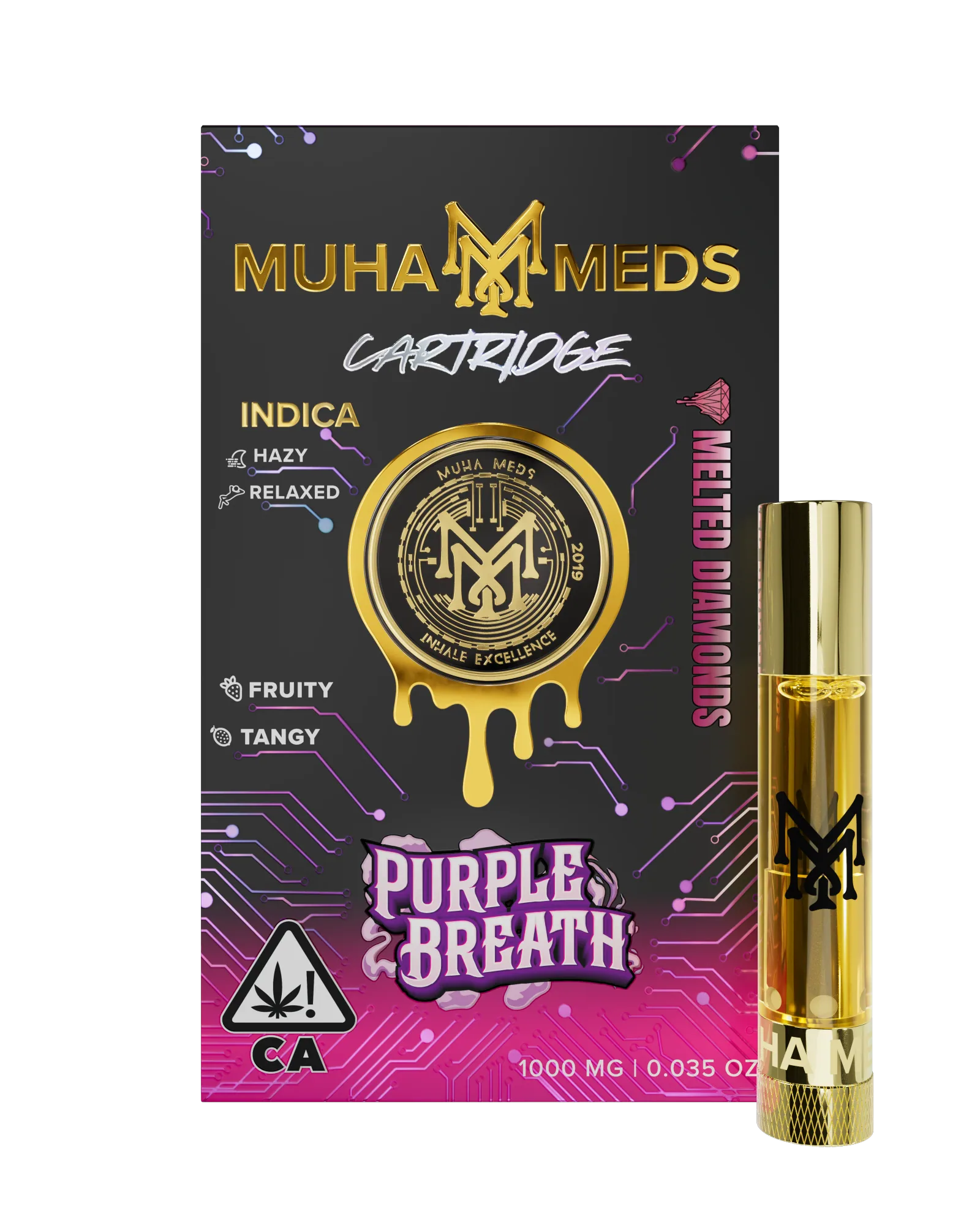
What each setting actually does
| Setting | Typical colour | What you get |
|---|---|---|
| 2.4–2.6V | Blue / lowest | Very light vapour, maximum flavour. Best for tasting a new cart |
| 2.7–3.0V | Green / middle | The sweet spot for most cannabis oil — flavour intact, vapour visible |
| 3.1–3.4V | Red / high | More vapour, noticeably less flavour, coil running hot |
| 3.5V+ | Highest | Harsh, burns terpenes, shortens the cart. Rarely the right answer |
Terpenes — the compounds carrying all the flavour and much of the character — boil off at lower temperatures than the cannabinoids do. Run hot and you vaporise them first, which is why a high setting gives you a big cloud that tastes of very little.
Different oils want different settings
- Distillate is thin and consistent, and tolerates the middle band comfortably. Around 2.8–3.0V is a reliable default.
- Live resin carries far more terpene content and rewards running low — 2.6–2.8V keeps the profile you paid for.
- Rosin-derived oil is thickest and wicks slowest. It wants a moment to saturate and a gentle setting; too much power outruns the wick and burns it.
- Cold oil of any type wicks badly. Warm the cart in your hand before reaching for a higher setting — the problem is usually temperature, not voltage.
If you are unsure which you have, the extracts guide covers how the lines differ and what that means in the tank.
Why cooler makes a gram go further
A coil consumes oil roughly in proportion to the energy you put through it. Running a step lower means less oil per second of firing — and because the flavour survives, you tend to be satisfied with shorter draws, which compounds the saving.
In practice a cartridge run at the middle setting with short draws goes appreciably further than the same cartridge run hot with long ones. That is the same arithmetic behind why draw length matters more than draw count.
Frequently asked questions
- What voltage should I use for a THC cart?
- Between about 2.5V and 3.2V for nearly all cannabis oil, with 2.7–3.0V the reliable middle. Start at the lowest setting your battery offers and step up only if the draw genuinely underwhelms.
- What voltage for a live resin cart?
- Lower than distillate — roughly 2.6 to 2.8V. Live resin carries far more terpene content, and terpenes vaporise at lower temperatures than cannabinoids, so running hot destroys exactly the thing you paid extra for.
- Why does my cart taste bad on the highest setting?
- Because you are boiling off the terpenes before you inhale them, and heating the wick faster than oil can reach it. Big cloud, no flavour, and a scorched coil is the usual sequence. Drop a setting.
- Does a higher voltage make a cart stronger?
- It makes each draw bigger, not the oil more potent. You are consuming more oil per second, which reaches your ceiling faster and empties the cart sooner — with worse flavour on the way.
- What is the preheat button for?
- Loosening thick or cold oil before you draw, usually a low current for ten to fifteen seconds. It is not a vaping mode — drawing during preheat tends to flood the coil.
- Will a lower voltage make my cart last longer?
- Yes, measurably. Less energy per second means less oil per second, and because the flavour survives you tend to take shorter draws as well. The two effects compound.
Keep reading