◆ Troubleshooting
Muha Meds Disposable Blinking or Not Hitting? Every Light Code and Fix
· 9 min read
A blinking Muha Meds is not one fault, it is about six, and they do not share a fix. Warming a pen whose battery is flat does nothing. Charging a pen whose airflow path is blocked does nothing either. Work down this page in order and you will know which one you have inside a minute — and know which of the popular internet fixes will finish off a device that was still savable.
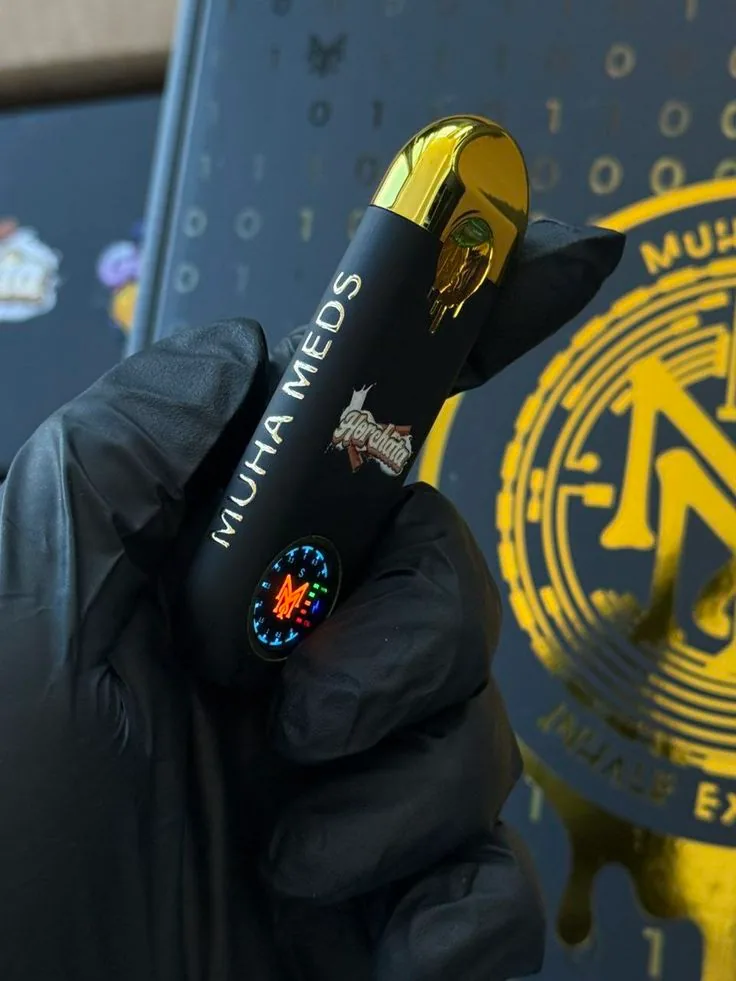
Start here: the 60-second check
Five steps, in this order. Most devices are sorted before step four, and the order matters — half the damage people do to a pen comes from starting with heat when the problem was never the oil.
- Plug it in for two minutes. Not to charge it — to see the light. If the LED responds to the charger at all, the battery and the board are alive and you are looking at an airflow or coil problem, not a dead cell.
- Count the blinks. Rapid stutter, slow pulse, two, three? Each one means something different. The table below tells you which.
- Take a dry draw with the pen unlit — a soft pull with no intention of vaping. If air moves freely, the path is clear and the fault is electrical. If it feels sealed shut, you have a clog.
- Look at the mouthpiece under a light. Hardened oil at the intake reads as a dead device and is a two-minute fix.
- Check the airflow slot on the body, usually a pinhole near the base. Pocket lint blocks it completely and it is the single most missed cause of a pen that “stopped working” for no reason.
Every blink code, and what it actually means
Nearly every guide online stops at “fast means low battery, slow means charging” and leaves it there. That covers two of the patterns your pen can throw. Here is the rest of the set, with the speeds defined — because “rapid” and “slow” are useless words if nobody says how fast.
| What the light does | What it means | What to do |
|---|---|---|
| Steady glow while you draw | Normal firing. The coil is heating. | Nothing. This is the pen working. |
| Rapid stutter, roughly 3–5 per second, then stops | Battery is flat or nearly flat. | Charge it. See the charging section below. |
| Slow pulse, roughly one per second, while plugged in | Charging in progress. | Leave it. Solid or off means charged. |
| Slow pulse, roughly one per second, while you draw | Puff-limit cut-out. The board stopped a draw it judged too long. | Wait 20–30 seconds and take shorter pulls, 2–3 seconds each. |
| Two blinks on a draw (Gen 3) | Over-puff protection. Too many draws too close together. | Put it down for a minute. Nothing is broken. |
| Three blinks on a draw | Short-circuit protection. The board sensed a fault in the coil circuit. | Charge fully first. If it persists on a full battery, the coil has failed. |
| Ten to fifteen blinks, then dead | General protection cut-out — usually over-temperature or a coil the board cannot read. | Let it cool for ten minutes. If it repeats cold, the coil is gone. |
| Blinks on the charger but never charges | Charging fault, not a battery fault. | Clean the port, change the cable, drop to a low-output charger. |
| No light at all, on the charger or off it | Battery is fully depleted or the board has failed. | One hour on a 5V/1A charger. Still nothing means it is finished. |
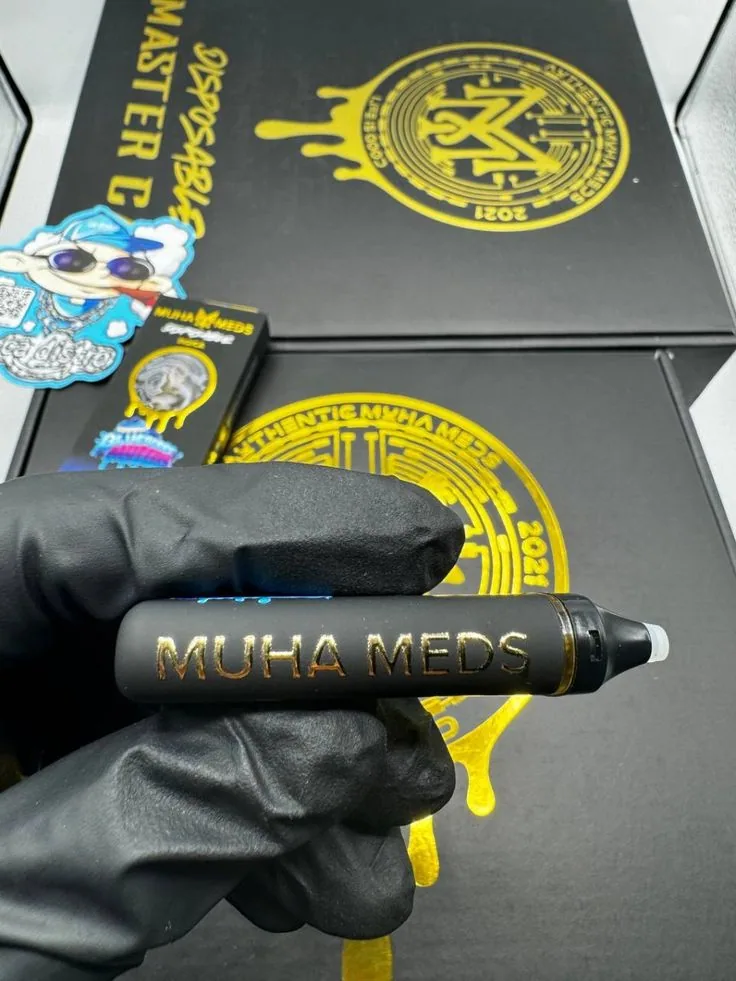
Generations differ, and it is worth knowing which you are holding. Gen 3 is the USB-C, rechargeable, 2g all-in-one with the more talkative LED — it is the one that throws two- and three-blink codes. Older units are terser and will often give you nothing but the rapid low-battery stutter, which makes the dry-draw test below far more important on those.
Dead battery or a clog? Two tests settle it
This is the diagnostic almost nobody writes down, and it is the one that decides everything that follows. A flat battery and a blocked airflow path present identically: you draw, nothing happens, a light flickers. Treating one as the other wastes an afternoon.
Test one — the dry draw
Pull gently on the mouthpiece as if through a straw, with no expectation of vapour. Air should move with mild resistance, about like a thin milkshake straw. If it moves freely, the path is clear and your problem is electrical. If it is stiff or completely sealed, you have a clog and no amount of charging will help.
Test two — the charger response
Plug it in. A light that pulses, glows or changes at all means the cell is taking charge and the board is alive. A pen that stays completely dark on a known-good cable and charger, after ten minutes, has either a dead cell or a dead board — and on a sealed disposable those amount to the same thing.
| Dry draw | Charger response | Diagnosis |
|---|---|---|
| Air moves freely | Light responds | Coil or contact fault — see the next section |
| Air moves freely | No light at all | Battery or board has failed — the device is finished |
| Stiff or sealed | Light responds | Clog. Go to the unclogging section |
| Stiff or sealed | No light at all | Both. Not worth saving |
It has oil, it is charged, and it still will not hit
Charged, full of oil, air moves fine — and nothing. Four causes, in the order they are worth checking.
You are pulling too hard
The most common cause by a distance, and the least believed. An auto-draw pen fires from a pressure sensor, and that sensor has a window. Pull harder than it expects and it reads the spike as a fault and refuses. Slow the draw right down — gentle and long rather than sharp and deep. On a pen that has never worked properly out of the box, this alone fixes it more often than anything else on this page.
The coil is flooded
Heavy draws, or heat, push oil past the wick and into the chimney faster than the coil can vaporise it. You get gurgling, no vapour, sometimes a drop of oil on the lips. Stand the pen mouthpiece-down for three minutes, then take two or three short dry draws with the pen unlit to pull the excess back. Then vape it gently for the first minute.
The airflow slot is blocked
There is an intake hole on the body, not the mouthpiece, and it lives in your pocket with your keys and your lint. Blocked, the pressure sensor never sees the drop and never fires. Find it, clear it with a dry swab or a puff of air, and try again.
The coil has actually failed
If it fires with a burnt smell, or throws three blinks on a full battery, the coil is done. There is no home fix for a coil inside a sealed body. That is a warranty conversation, not a repair.
How to unclog a 2g without wrecking the coil
A clog is thickened oil sitting in the airflow path, usually at the mouthpiece intake where the oil is coolest. The whole job is to soften it just enough to move, and no more. Every mistake in this process is someone applying more heat than the problem needed.
- Hold it in a closed fist for two or three minutes. Body heat is around 37°C / 98°F, which is enough to soften cannabis oil and nowhere near enough to hurt anything. Try it first, every time. It works more often than it has any right to.
- Clear the mouthpiece intake. A dry cotton swab, or a toothpick or paperclip used gently and only in the mouthpiece opening. You are lifting hardened residue out, not drilling — if you meet resistance you are pushing on the coil assembly and you should stop.
- Take three or four short dry draws with the pen unlit. This alone often clears what the warming loosened.
- Warm water bath, if it is still blocked. Seal the pen in a zip bag, press the air out, and stand it in warm — not hot — tap water for two or three minutes. The bag is not optional. Water in the airflow path or the USB-C port ends the device.
- Hair dryer on its lowest setting, at least 30cm / 12 inches away, for no more than 20–30 seconds. Keep it moving. This is the last resort, not the first move.
What never to do
Every one of these is advice that circulates, and every one of them turns a fixable pen into a bin item. This list is missing from essentially every guide on the subject, which is why the mistakes keep happening.
- Never use boiling water. It warps the seals, degrades the oil, and drives moisture into places it cannot leave.
- Never apply a flame, a lighter, a stove or a radiator directly. Cannabis oil starts losing its lighter terpenes well before it visibly changes, and lithium cells and open flame are a genuinely dangerous pairing.
- Never microwave it. It contains a lithium cell and metal. This should not need saying, and yet.
- Never draw hard to “force” a clog through. Hard draws flood the coil, which produces the exact symptom you are trying to cure, and can pull oil straight into your mouth.
- Never prise a sealed all-in-one open. There is nothing user-serviceable inside, the cell is not protected once the body is off, and it voids any claim you might have had.
- Never push a pin down past the mouthpiece opening. Below that is the chimney and the coil assembly, and a punctured wick cannot be repaired.
- Never charge it with a fast charger or a laptop's high-output port. Small vape cells are built for around 5V/1A. Fast-charge bricks push far more than that and the heat is what kills the cell.
- Never leave it charging overnight. Once the light says full, unplug it.
Charging it properly, with actual numbers
The Gen 3 all-in-one carries roughly a 350mAh cell and charges over USB-C — the same connector as your phone, which is precisely the problem, because your phone charger is far too aggressive for it.
- Use a low-output source: a computer USB port, or a basic 5V/1A phone-style adapter. Not a fast-charge brick, not a laptop's high-power port.
- A full charge takes about 45 to 60 minutes. If yours is charging in fifteen, you are pushing it too hard and shortening the cell's life every time.
- Charge before it dies, not after. Lithium cells age faster when they are run flat, and a 2g tank needs the battery to survive the whole tank to be worth anything.
- Unplug at full. Trickling a small cell at full charge for eight hours overnight is the fastest way to lose capacity.
- Charging and blinking at the same time is almost always a contact problem, not a battery problem. Clean the port with a dry swab and try a different cable before you conclude anything.
How long a 2g should actually last
Roughly 400 to 800 draws, depending entirely on how long each one is — a two-second pull and a six-second pull are not the same event. For most people that is somewhere around a week. A 2g that empties in two days is not faulty; it is being drawn hard, and hard draws are also what flood coils.
Storage, temperature, and why clogs start
Almost every clog is a storage problem that has already happened. Guides tell you to store it “somewhere cool” and never say what cool means, so here is a number.
- Room temperature, 18–24°C / 65–75°F. That is the whole target. Cold thickens the oil, which is what causes clogs in the first place; heat thins it, which causes leaks and floods the coil.
- Store it upright, mouthpiece up. On its side, oil migrates into the airflow path and sets there as it cools. This one habit prevents more clogs than every fix on this page combined.
- Out of the car. A parked car in summer passes 60°C / 140°F, which is well past where oil degrades and seals soften.
- Out of the fridge and never the freezer. Cold makes oil sluggish, and taking it back out creates condensation inside the device.
- Away from direct sun. Light degrades cannabinoids. A dark drawer is doing real work.
When the device is genuinely finished
There is a point past which you are troubleshooting a dead object, and knowing where it sits saves an evening. Any one of these is terminal on a sealed disposable:
- No light whatsoever after a full hour on a known-good cable and a low-output charger.
- Three blinks on every draw with a full battery — that is short-circuit protection reporting a coil fault, and the coil is not reachable.
- A burnt taste that survives a full cooldown and does not improve after several hours. The wick is scorched and it will not recover.
- Visible cracks in the body, a rattle from inside, or any smell of hot plastic. Stop using it — that is a lithium cell talking.
- Oil visibly darkened to near-black and thickened to a paste. That is oxidation, not a clog, and heat will not undo it.
One thing worth ruling out before you write anything off: whether the device was genuine to begin with. Counterfeit hardware fails early and fails exactly like this, and a pen that never worked properly from the first draw is far more likely to be fake than faulty. If you have not checked, our guide to spotting a fake walks through the QR, batch code and hardware tells in about two minutes.
The kit that prevents most of this
Nearly everything above is preventable with two habits and about three items: keep the airflow path clean, store it upright at room temperature, and own a battery you trust so you always know which half of a 510 setup is at fault.
Frequently asked questions
- Why is my Muha Meds disposable blinking and not hitting?
- Blinking means the board has power and refused to fire. Rapid stutter at 3–5 blinks a second is a flat battery. A slow one-per-second pulse while drawing is the puff-limit cut-out — take shorter pulls. Two blinks is over-puff protection on Gen 3. Three blinks is short-circuit protection, which means a coil fault. If it blinks but air will not move through a dry draw, it is a clog rather than an electrical problem.
- How do I know if it is the battery or a clog?
- Two tests. Pull gently on the mouthpiece with the pen unlit — if air moves freely the path is clear and the fault is electrical; if it feels sealed you have a clog. Then plug it in: any light response at all means the cell and board are alive, so a flat battery is ruled out.
- How long does it take to charge a Muha Meds disposable?
- About 45 to 60 minutes from flat, on a low-output 5V/1A source such as a computer USB port or a basic phone adapter. Avoid fast chargers — the extra current is heat, and heat is what shortens the cell's life.
- How do I unclog a 2g disposable?
- Hold it in a closed fist for two to three minutes, clear the mouthpiece intake with a dry cotton swab, then take three or four short dry draws with the pen unlit. If it is still blocked, seal it in a zip bag and stand it in warm tap water for two minutes. Never use boiling water, a flame or a microwave, and never push anything past the mouthpiece opening.
- How long does a Muha Meds 2g last?
- Roughly 400 to 800 draws, which for most people works out around a week. It depends far more on draw length than draw count — a six-second pull consumes roughly three times what a two-second pull does.
- My disposable blinks while it is charging. Is the battery dead?
- Usually not. Blinking on the charger is nearly always a contact problem rather than a cell problem. Clean the USB-C port with a dry swab, try a different cable, and use a low-output charger. A slow one-per-second pulse while plugged in is simply normal charging.
- Why does the auto-draw not fire when I pull hard?
- Because you are pulling hard. Auto-draw fires from a pressure sensor with a working range, and a sharp draw reads as a fault rather than a signal. Slow the pull right down — gentle and long beats sharp and deep, and it also stops the coil flooding.
- Can a fake pen cause all of this?
- Yes, and it is worth ruling out early. Counterfeit hardware uses cheaper cells, looser tolerances and unregulated boards, so it fails early and fails in exactly these ways. A pen that never drew properly from the very first pull is more likely counterfeit than faulty — check the QR code, batch code and hardware before you troubleshoot any further.
Keep reading