◆ Verification
What Is Actually in a Vape Cart? Oil, Additives and What to Refuse
· 7 min read
This is the question worth asking before the one about potency. A cartridge is a sealed object you cannot inspect and are going to heat and inhale, and the only window into it is the batch's lab report. Knowing what should and should not be in there is what makes that report readable.
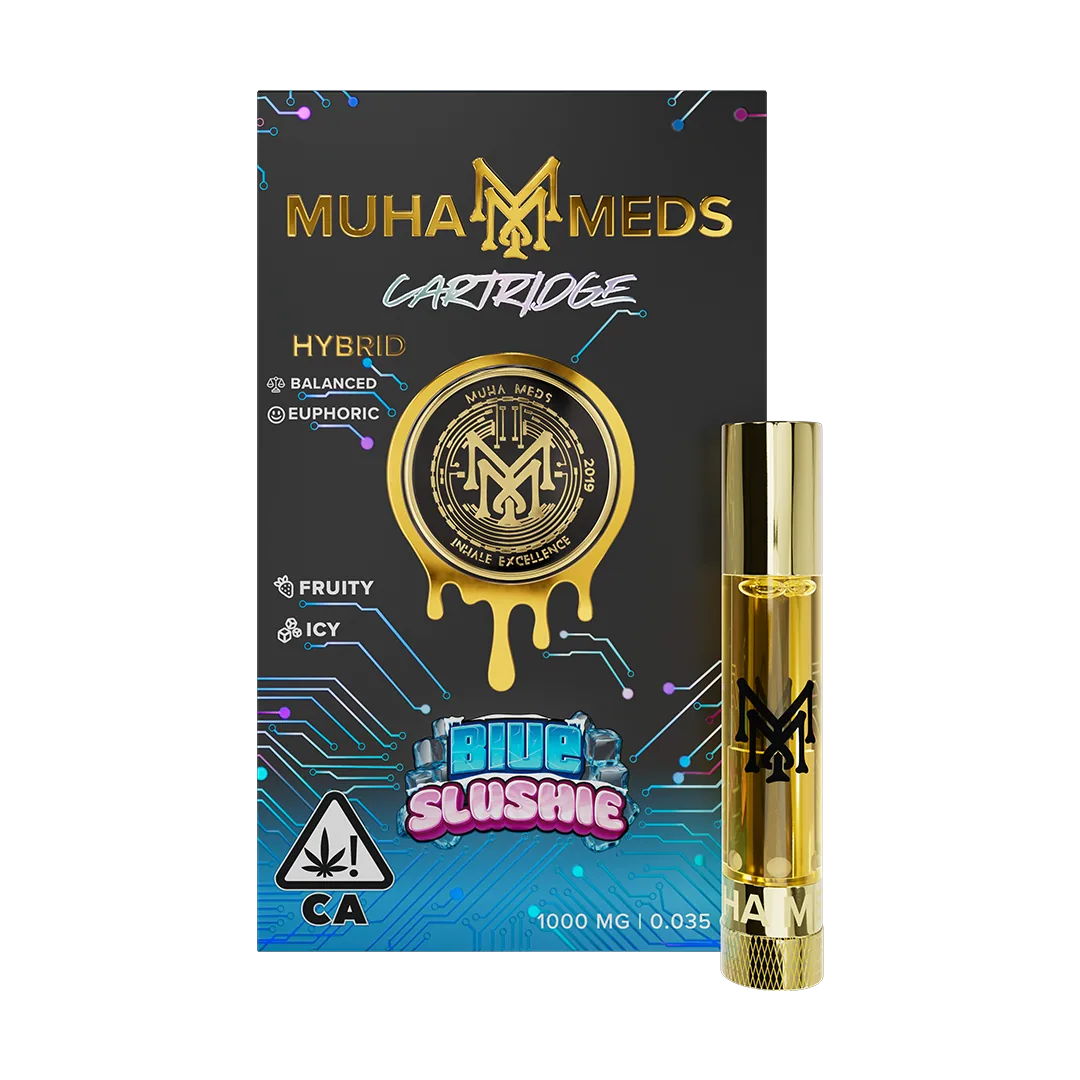
What belongs in one
- Cannabis extract. Distillate, live resin or rosin-derived oil, depending on the line. This is nearly all of it.
- Terpenes. Either the ones that survived extraction, as in live resin, or ones added back after refining, as in most distillate. Both are normal; the labelling should tell you which.
- Nothing else. That is the whole list for a well-made cartridge. No thinners, no fillers, no flavourings beyond the terpenes.
What does not, and why
| Additive | Why it is there | The problem |
|---|---|---|
| Vitamin E acetate | Cheap thickener that makes weak oil look viscous and premium | Central to the 2019 EVALI lung-injury outbreak. Never acceptable in an inhaled product |
| PG / VG / PEG | Thinners borrowed from nicotine vaping | Can degrade into irritants at high coil temperatures. Unnecessary in a well-made cannabis oil |
| MCT oil | Thinner, and common in older formulations | Fine to eat, contested to inhale. Largely abandoned by reputable makers |
| Food flavourings | Cheap taste where terpenes were stripped out | Formulated for eating, not for heating and inhaling |
How to check before you buy
- Scan the code on the packaging and confirm it resolves to *your* batch, not a generic brand page.
- Open the lab report and read the safety panels first — pesticides, residual solvents, heavy metals, microbials. Potency is a preference; those four are the health question.
- Look for a full panel. A report covering only cannabinoids and terpenes is a marketing document, not a safety one.
- Check the date and the batch code against the box in your hand. One PDF reused across an entire product line tells you nothing about your unit.
Colour, incidentally, tells you very little. Live resin is naturally darker than distillate because it keeps more of the plant, and ordinary oxidation darkens any oil over months. Taste on a cold first pull is a far better signal than the shade in the window.
Frequently asked questions
- What is in a THC vape cart?
- In a well-made one: cannabis extract and terpenes, and nothing else. Distillate carts usually have terpenes added back after refining; live resin keeps the ones that survived extraction. Any longer ingredient list is worth asking about.
- What is vitamin E acetate and why does it matter?
- A cheap thickener that makes thin oil look premium. It was central to the 2019 EVALI lung-injury outbreak and has no place in anything inhaled. It is the clearest single reason to buy only from sources that publish batch-level lab results.
- Are PG and VG safe in cannabis carts?
- They are borrowed from nicotine vaping and can degrade into irritants at high coil temperatures. A properly made cannabis oil does not need thinners at all, so their presence is a question worth asking rather than an automatic disqualification.
- Which part of the lab report matters most?
- The residual solvents panel, closely followed by pesticides, heavy metals and microbials. Extraction solvents are supposed to be fully purged, and that panel is the proof. "ND" across the safety panels is what you are looking for.
- Does dark oil mean there are additives in it?
- No. Live resin starts darker because it retains more plant material, and all oil darkens with ordinary oxidation over months. Judge by taste on a cold first pull, not by the shade in the window.
- How do I know a cart has been tested?
- Scan the code on the retail packaging and confirm it resolves to your specific batch with a full panel attached. A branded page with no batch number, or one PDF reused across a whole product line, verifies nothing.
Keep reading